Antibacterial mechanism with consequent cytotoxicity of different reinforcements in biodegradable magnesium and zinc alloys: A review
Author: Faiz Ahmad - March 2023
Chowdhury Ahmed Shahed, Ebru Günister, Farhana Mohd Foudzi, Saad Ali, Khurshid Malik, Wan Sharuzi Wan Harun
Abstract
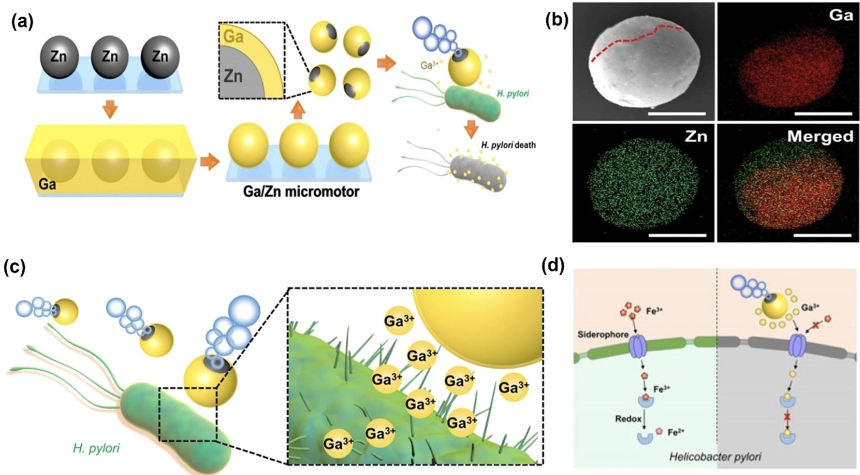
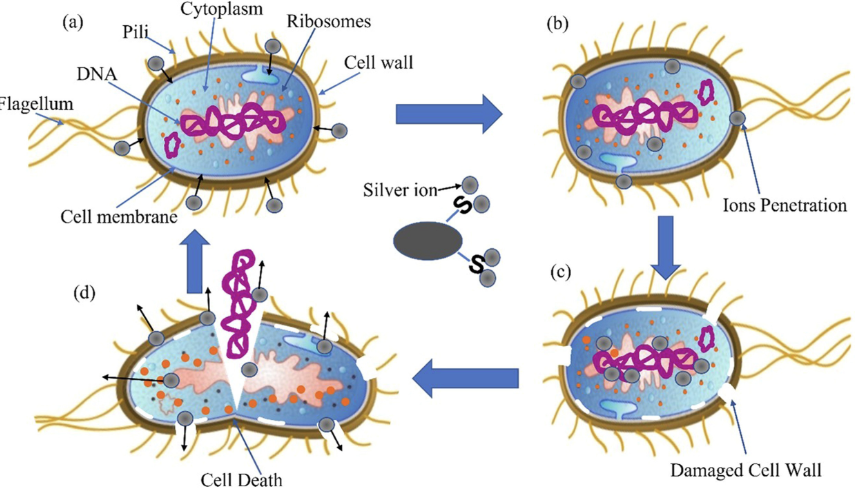
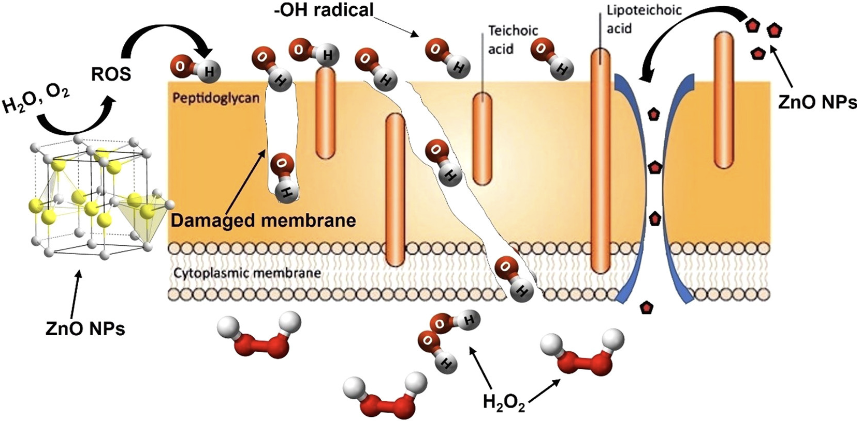
Benefits achieved by the biodegradable magnesium (Mg) and zinc (Zn) implants could be suppressed due to the invasion of infectious microbial, common bacteria, and fungi. Postoperative medications and the antibacterial properties of pure Mg and Zn are insufficient against biofilm and antibiotic-resistant bacteria, bringing osteomyelitis, necrosis, and even death. This study evaluates the antibacterial performance of biodegradable Mg and Zn alloys of different reinforcements, including silver (Ag), copper (Cu), lithium (Li), and gallium (Ga). Copper ions (Cu2+) can eradicate biofilms and antibiotic-resistant bacteria by extracting electrons from the cellular structure. Silver ion (Ag+) kills bacteria by creating bonds with the thiol group. Gallium ion (Ga3+) inhibits ferric ion (Fe3+) absorption, leading to nutrient deficiency and bacterial death. Nanoparticles and reactive oxygen species (ROS) can penetrate bacteria cell walls directly, develop bonds with receptors, and damage nucleotides. Antibacterial action depends on the alkali nature of metal ions and their degradation rate, which often causes cytotoxicity in living cells. Therefore, this review emphasizes the insight into degradation rate, antibacterial mechanism, and their consequent cytotoxicity and observes the correlation between antibacterial performance and oxidation number of metal ions.

Methodology
The methodology of this study involves a comprehensive literature review and analysis of existing implants, focusing on their suitability for pediatric patients, challenges associated with their use, and the potential of biodegradable implant materials (BIMs). The study evaluates different BIMs, including polymers, ceramics, composites, and metals, with a particular emphasis on metals like magnesium (Mg) and zinc (Zn) due to their superior mechanical properties and biodegradability. Surface modification techniques, such as nanomodification and various coatings, are explored to enhance the properties of these metals. The research also investigates the degradation behavior, biocompatibility, and antibacterial properties of these materials, examining their performance in both in vivo and in vitro environments. The study addresses the issue of bacterial infection and biofilm formation on implant sites, which can lead to complications, and evaluates the balance between antibacterial effectiveness and cytotoxicity. Finally, the methodology includes correlation studies to understand the relationship between the intrinsic chemical properties of metal ions and their antibacterial capabilities, aiming to develop effective, safe, and biocompatible biodegradable implants.
Impact & Benefits
Growth Accommodation: Unlike permanent metal implants, biodegradable implants adjust to the body's growth, making them ideal for pediatric patients.
Decreased Complications:By being absorbed by the body, biodegradable implants minimize the risks associated with permanent implants, such as long-term foreign body reactions.
Alloy Development: Continuous innovation in alloy composition enhances the mechanical properties and degradation rates, making these materials more versatile and effective.
Reduced Stress Shielding: Mg and Zn alloys have elastic moduli closer to human bone, reducing stress shielding and promoting natural bone healing.
Reduced Cytotoxicity: Properly designed alloys and surface modifications ensure that antibacterial actions do not compromise cell compatibility, maintaining the health of surrounding tissues.
Eliminating Secondary Surgeries: The self-resorbing nature of biodegradable implants removes the need for costly and risky secondary removal surgeries.
Minimized Invasiveness:Patients undergo fewer surgical interventions, resulting in less physical and emotional stress.>
Findings/Figures and Research Data
The target killing of bacteria using photodynamic and photothermal effects can be competent if the generation of ROS can be controlled, although most of the carbon-based photothermal elements cause genotoxicity and lipid peroxidation. Moreover, it is only effective on superficial surface conditions, mostly right under the skin, as light waves need to penetrate to activate the actions. Therefore, further research can be conducted to develop a nontoxic phototherapeutic agent. Researchers mainly exercised a few common bacteria like E. coli, S. aureus, MRSA, S. epidermidis, and P. aeruginosa. Consequently, a wide range of bacteria is left unobserved, and importantly, the harmonious effects of different bacteria in the same site have not been observed yet. Finally, extensive investigation needs to be done on the same material in various locations inside the living body to identify its antibacterial and cytotoxicity performance since the physiological characteristics vary depending on the body's location.
Market Potential
Growing Demand for Pediatric ImplantsPermanent metal implants are not suitable for pediatric patients as they do not accommodate body growth.
Orthopedic Implants:Bone fixation plates, screws, and craniomaxillofacial implants benefit from the mechanical properties of Mg and Zn alloys.
Superior Mechanical Properties:Metals like Mg and Zn provide the necessary strength for load-bearing applications, unlike polymers and ceramics.
Infection Prevention:Mg and Zn alloys have inherent antibacterial properties that can be enhanced with coatings and treatments, reducing the risk of biofilm formation and post-surgical infections.
Surface Modifications: Techniques like nanomodification and surface treatments can control the degradation rate and improve biocompatibility.